
Today we released the new version of Cosmic Volunteer’s website. This is our first re-design in years. We’re now running PHP on WordPress, leaving behind our HTML site. Enjoy!

Today we released the new version of Cosmic Volunteer’s website. This is our first re-design in years. We’re now running PHP on WordPress, leaving behind our HTML site. Enjoy!

Chloe Chen at the airport in San Francisco leaving for her 2nd volunteer trip with Cosmic Volunteers. Last year she volunteered in Ghana. This summer she is volunteering in Guatemala. Buenas suerte, Chloe!
Jon from Texas just volunteered in Kenya at a community school in Mombasa.
This post is to report that as of today’s date April 27, 2013 our client Hannah Olson owes Cosmic Volunteers an outstanding balance of $385 for her trip to Nepal in October 2012.
Ms. Olson has refused to pay the balance despite the fact that Cosmic Volunteers provided everything promised to her — a volunteer placement, accommodations, meals, airport pickup, pre-trip advice, and 24 hour support.
We are posting this information as a warning to other volunteer organizations who may come into contact with her. We have full documentation of everything, including Ms. Olson’s agreeing in writing January 2013 to a monthly payment plan to pay off the balance.
We at Cosmic Volunteers create custom volunteer handbooks for our group service learning trips abroad. Below is a small excerpt from our Volunteer Handbook — Service Learning in Kenya.
Tips — Traveling from USA to Kenya
Edith Waringa Kamau — a Kenyan who’s currently a student at Washington and Lee University — has done a wonderful new documentary called “Africa In Western Media”. Her aim is to show how distorted the coverage of Africa is in the western media. It’s not all AIDS, war, and famine in Africa.

Swedish photographer Jens Assur has an exhibit of 40 large-format photos of Africa that will be on display in Sweden and then travel to three cities in Africa.
As this article explains, Assur’s photos focus on everyday urban life in Africa, instead of the usual stuff we see from Africa such as wildlife and AIDS clinics.
Although optional for travelers, you should register your volunteering trip abroad with the federal government of your home country.
For example the“Smart Traveler Enrollment Program” (STEP) run by the US State Department allows US citizens to enter information about an upcoming trip abroad. You enter details such as your travel dates, destination(s), address abroad, emergency contact and more.
The State Department will then be better able to assist you abroad in an emergency. What kind of emergency? Natural disasters like an earthquake or tsunami; or, say, civil unrest following an election. Registering with STEP could also speed up the process of replacing your lost passport while abroad.
As an added service, STEP can also send you electronic updates on travel warnings, travel alerts and other information for the country you’ll be visiting.
Government websites for registering your trip abroad
US Citizens: https://step.state.gov/step
UK Citizens: http://www.fco.gov.uk/en
Canadian Citizens: http://www.voyage.gc.ca
Australian Citizens: http://www.orao.dfat.gov.au
French Citizens: http://www.diplomatie.gouv.fr/en
South Africans: http://www.dfa.gov.za/consular/travel_advice.htm
There are two types of insurance available for volunteering trips abroad – Travel Insurance and Medical Insurance. I strongly urge you to get both of them.
Travel Insurance covers you for travel-related costs like lost baggage, canceled flights, and travel delays. Medical Insurance covers you for medical expenses like hospital visits, prescriptions, and emergency evacuation.
Where to Start
First – find out if one or more of the following entities will provide you with insurance coverage abroad:
If you do not get insurance from one or more of the above sources, then you will have to obtain a policy from an insurance company that specializes in travel and medical insurance abroad.
What to look for in a policy
Whether you use an existing policy or obtain a new one from a travel specialist insurance company – make sure your policy provides at least $50k in benefits and covers (at minimum) the following:
Make sure to find out also about:
Which company to choose
If you obtain a policy from a specialist insurance company – choose a company that provides one policy that covers both travel insurance and medical insurance.
The U.S. State Department has a list of companies that provides travel and medical insurance abroad: https://travel.state.gov/content/passports/en/go/health/insurance-providers.html
For all of my trips abroad (including the very first one in 2000), I have used HCC Medical Insurance Services (formerly MNUI). Their website is www.hccmis.com. They are a recognized leader in international health. (Full Disclosure: I’m not affiliated with HCC in any way and don’t receive any commissions)
When you’re abroad
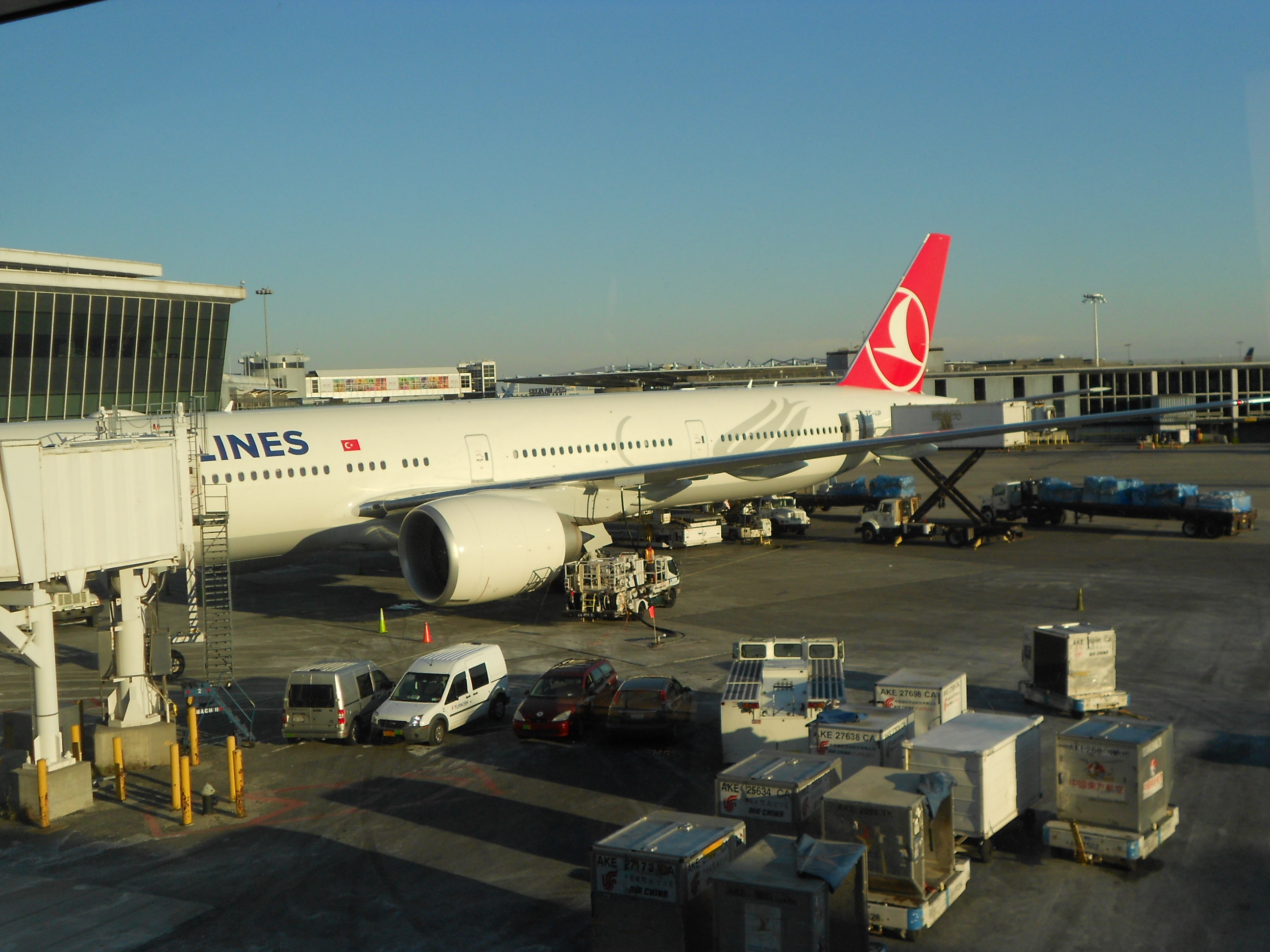
Today is the big day! You’re finally ready to leave home and fly abroad for your volunteering trip!
This will undoubtedly be a day filled with mixed emotions – both for you and your family and friends – as you’re about to have an experience that few others ever will.
You should of course be feeling major excitement for the adventure you’re undertaking.
Like most other volunteers though, you (and your family) will also likely have some level of fear and anxiety. That’s perfectly normal, so don’t worry so much.
Then, as you finally settle into your seat on the plane, you should also be feeling a genuine sense of relief. After months (maybe even years!) of planning and preparation for this trip, you are literally and figuratively ready for take-off!
From a practical perspective, there are some things you need to keep in mind.
Tips for Your Departure Day:
1. Don’t leave home without these 3 things
Everything else can be replaced relatively easily, such as clothes, toiletries, even electronics like cameras and cell phones.
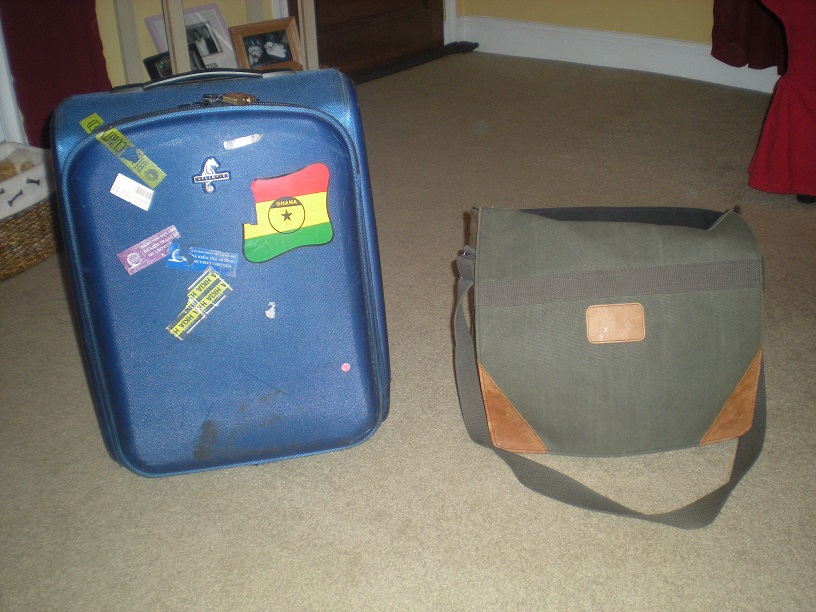
2. Weigh your luggage
Before you leave home, weigh your luggage (including carry-on bags). Every airline has its own weight policy, so check with your airline. Assume that the airline will be very strict with luggage weight rules. If you’re luggage is overweight, expect the airline to charge you a fee.
Most airlines allow two checked bags on international flights, with a maximum weight of 50 lbs (23 kg) per bag.
Alternatively, if your bags are overweight, you can remove items from your bag until you’re under the weight limit. You can then give those items to your family – assuming they’re still at the airport to see you off after check-out. (If you’re bringing 100 lbs of luggage though, you’re bringing way too much stuff!)
3. Arrive early at the airport
Most airlines officially advise travelers to arrive at the airport at least three hours before your international flight’s departure time. However it is best to extend this to four hours, in case of unexpected traffic delays on your way to the airport. The worst-case scenario should be – you arrive 4-5 hours before your flight, leaving you with a bit more time to kill. This is much better than missing your flight of course!